Comfort Experts for Over 50 Years
Comprehensive Residential & Commercial HVAC, Plumbing & Pipefitting, Construction, and Building Automation Services
Learn MoreWho we are
About Dual Temp
Dual Temp Company is a trusted mechanical contracting firm based in Allentown, Pennsylvania, proudly serving Eastern Pennsylvania and New Jersey since 1970. We specialize in commercial HVAC systems, industrial plumbing, and advanced building automation solutions. Our expert team also provides high-quality residential HVAC services through our dedicated division, Dual Temp Home Services.
With over 50 years of experience, Dual Temp is known for delivering cost-effective, energy-efficient mechanical solutions tailored to the needs of commercial, industrial, institutional, and residential clients. Our commitment to excellence, cutting-edge technology, and reliable service makes us a top choice for HVAC installation, plumbing systems, building controls, and preventative maintenance in the Lehigh Valley and beyond.
Whether you’re upgrading existing systems or planning new construction, Dual Temp offers the expertise and proven results to keep your building running efficiently and comfortably.
Dual Temp Company has served Eastern Pennsylvania and New Jersey since 1970 as a trusted mechanical contractor specializing in commercial HVAC, industrial plumbing, and building automation. Based in Allentown, we also provide residential services through Dual Temp Home Services. With over 50 years of experience, we deliver cost-effective, energy-efficient solutions for commercial, industrial, and residential clients throughout the Lehigh Valley. From installations to preventative maintenance, we keep your building running efficiently and comfortably.
EXPERIENCE & EXPERTISE
COMPREHENSIVE SERVICES
COMMITMENT TO QUALITY
what we do
Our Services
We offer a wide range of services, including air conditioning, heating, piping, plumbing, pipefitting, building automation controls, and boiler or chiller repair. We serve a variety of facilities across Pennsylvania and New Jersey, from commercial buildings to industrial plants and institutional facilities. Our team is always innovating and finding ways to save you money and energy, ensuring that all your mechanical needs are met with the highest level of quality and reliability. Dual Temp Home Services provides residential HVAC solutions to keep your home cozy all year round.
We provide air conditioning, heating, plumbing, pipefitting, building automation, and boiler/chiller repair across Pennsylvania and New Jersey. From commercial buildings to industrial plants, our team delivers innovative, cost-effective solutions that save energy while ensuring quality and reliability. Dual Temp Home Services handles all residential HVAC needs to keep homes in the Lehigh Valley comfortable year-round.
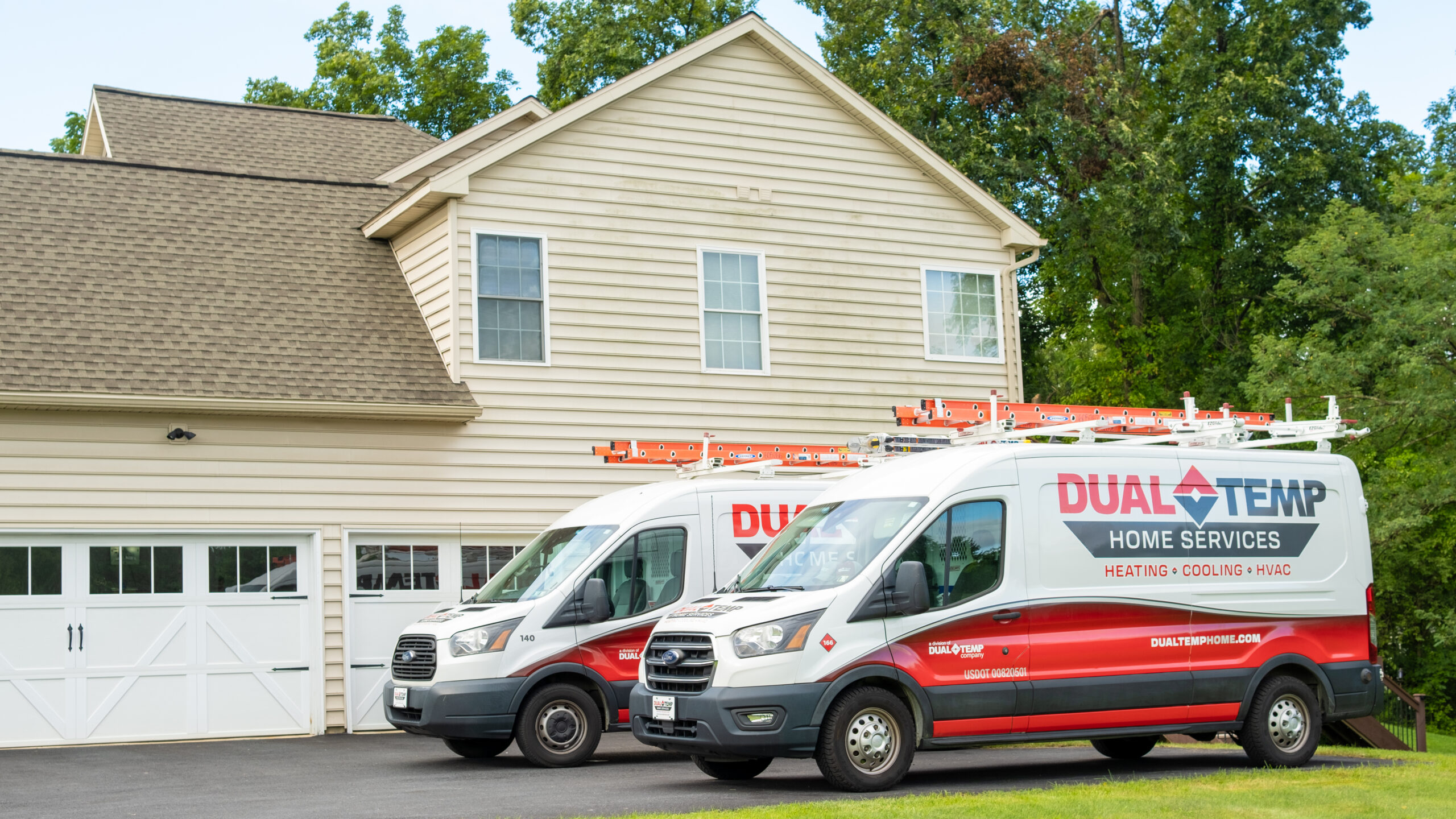
Home Services
Dual Temp Home Services provides heating, cooling, and hot water solutions throughout the Lehigh Valley. Our certified technicians handle installations, repairs, smart thermostats, and air quality upgrades to keep your home comfortable year-round.

Commercial Services
We deliver comprehensive HVAC, plumbing, and mechanical solutions for commercial buildings across Eastern Pennsylvania and New Jersey. From boilers to medical gas systems, we focus on energy efficiency and reliable operation.

Construction Services
Our design-build team handles mechanical, HVAC, and plumbing systems for commercial and industrial construction projects. We work with owners and contractors to deliver high-performance solutions on time and on budget.
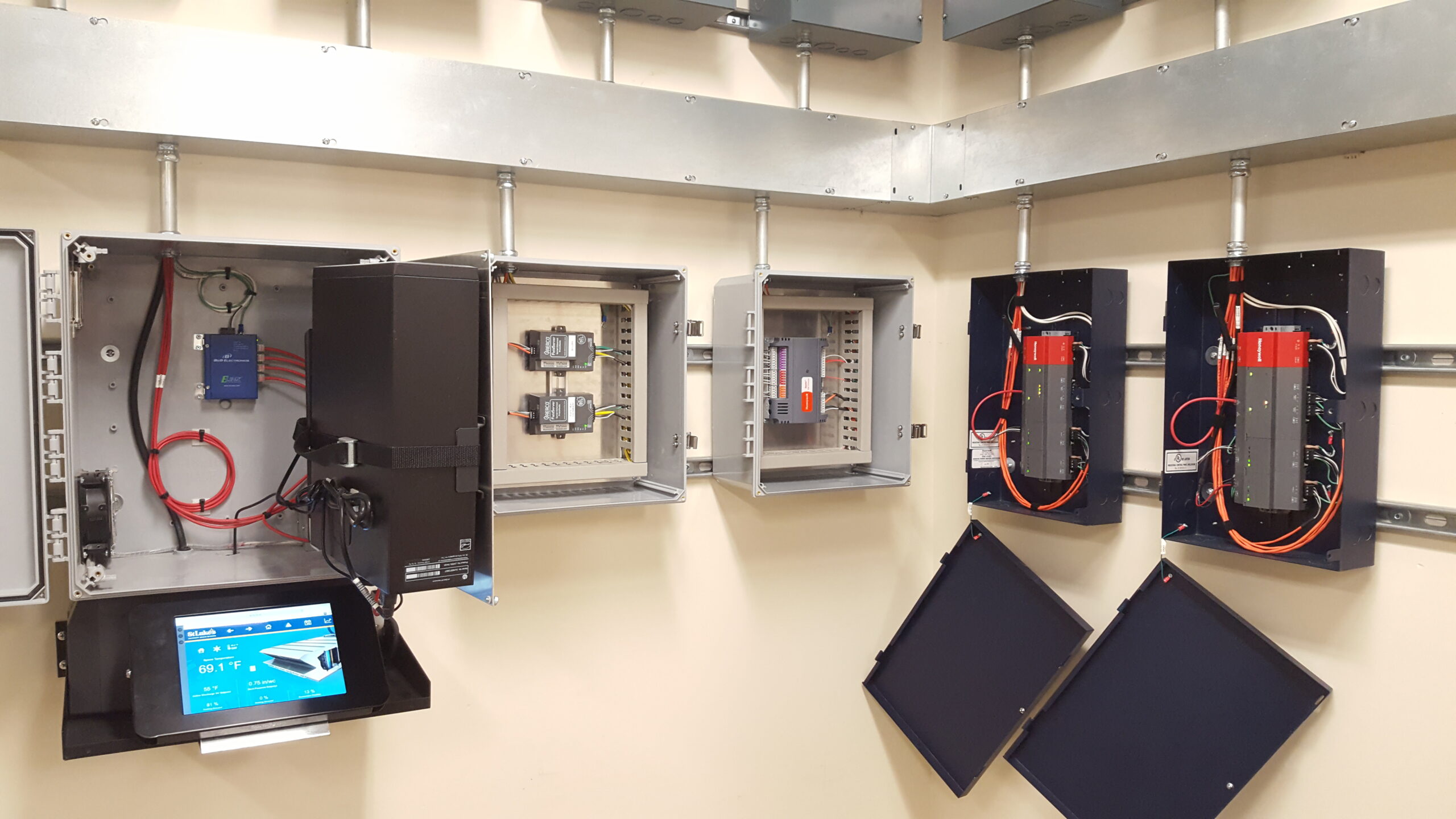
Building Automation
We design intelligent systems that optimize lighting, temperature, and climate for improved comfort and energy efficiency. Our solutions range from simple controls to integrated smart building platforms.
How We’re Doing
What Our Customers Are Saying
At Dual Temp, we pride ourselves on delivering exceptional HVAC solutions to businesses across the region. Our commitment to quality, prompt response times, and deep industry knowledge have earned us the trust and satisfaction of numerous clients. Discover why businesses choose Dual Temp for their commercial HVAC needs.


Patrick was able to fix our furnace issue, including locating the spare parts at an acceptable price level. I appreciate the professionalism and quality of service. Thank you

Response time is very good. Techs are professional and good to work with. Great at analyzing and repairs.Always glad to see DualTemp onsite making us all look good. Thanks for your Great services.


Patrick is extremely knowledgeable and did an excellent job servicing my heating system. I would highly recommend him to anyone!

Having some issues with our ac, and Nate arrived promptly, diagnosed the problem, and got the job done efficiently. I would recommend Dual Temp to anyone.

Great service! This company repaired my air conditioning unit this week . David is an awesome technician. He’s polite respectful and thorough. I’m incredibly happy with the companies service this week and David is a great representation of your company…. Thank you

Very professional and highly qualified. Worked on my commercial freezer and fixed a long time problem no one else has. Highly recommend and thanks!!!!

Dual Temp Home Services delivered a great customer experience - easy scheduling, proactive communications, and reasonable pricing. Our technician Patrick Boyle was awesome - arrived on time, friendly, knowledgeable, helpful, and courteous! A true professional! Definitely recommend having Dual Temp and Patrick support your HVAC needs!

Patrick Boyle was awesome, straightforward and right to the point. That we didn’t follow through with the plan we knew exactly where we stood with Patrick and Dual Temp . Thank you, Ralph

Outstanding service and top notch customer service. Patrick came over was super friendly and very professional. He explained all my issues and options to get my home running safely again. I will definitely call again to schedule a full upgrade. Thanks to Patrick and this company I now know how I was blind to the dangerous furnaces I been running in my home. Thanks for coming right away when all the other companies only gave excuses and appointments for a future day.

Joe was prompt, professional & helpful! His communication skills are excellent & I appreciate the organization of his work flow. Very glad we were referred to him!

Patrick is polite and very informed. He shows concern and makes recommendations to address anything that could be problematic or preventative for future issues with our furnace.

Service was excellent. The technician Patrick Boyle showed up on time, check over other contractors work to make sure it was right, install the new part continued to make sure everything was correct before adding the refrigerant. He also explained everything that he was doing to me and answer all my question in detail, and I had a lot of questions. Would recommend to anybody needing HVAC work.

David came out and did a great job and was done within an hour. didn’t try to sneak in any kind of fees or charge for extra time.

Joe came over to give me an estimate on a new boiler. He was very professional and knowledgeable. He explained my options and answered all the questions that I had I feel it was a very productive meeting and I walked away feeling comfortable.

Patrick is amazing. So is the entire dual temp team. They really take their customer service to the level of extraordinary. I highly recommend dual temp for any and all HVAC needs. So happy they are doing residential now. Just amazing updated June 2025


We have been using Dual Temp for several years now and we are very satisfied with the service. Reactionary maintenance and/or emergency items are hard to manage from a remote site. Dual Temp does a GREAT JOB of taking care of our maintenance needs and they react in a timely manner.

We have only been working with Dual Temp for approximately two months, but we cannot say enough good things about them. Our commercial building has a unique HVAC system, to say the least, and we have already had several occasions on which we have had to make service requests. Dual Temp responds to calls and emails quickly and keeps the customer updated of progress. Nate and his great team of techs—specifically, Noah, Jeff, Bill and the other Noah—are all knowledgeable and very relatable when sharing information and options. It was a very lucky day for us when we connected with Bob, our Dual Tech salesperson, who is diligent about keeping in touch to ensure our needs are being met. Dual Temp now has our finicky HVAC equipment up and running, and we are most appreciative!

I can’t say enough good things about our experience with Dual Temp. After several issues with our AC over the last several months it was determined that it was time to start looking for a new system. I called on a Friday morning to request a quote. They were able to have someone come out the same day. Joe was great. He was very nice and answered my husband’s questions as well as address a concern we had with air flow to our bedroom due to a smashed piece of ductwork that’s been that way apparently since the house was built. I had an estimate in my email around 5 PM that same evening. We were provided with 3 options in the quote. Sort of a good, better, best option. We had a few additional questions which I emailed Joe about and he was very quick and responsive to my questions. After getting one other quote from another company we decided to go with Dual Temp. After only 2 weeks from the initial quote our new system was installed this week. Patrick and David were the technicians that came to install and they were just as amazing to work with. They were polite, knowledgeable and explained the system and new thermostat very well. I am not one to typically write reviews but I do read them while doing my research. I can only suggest that you give them a chance at addressing your needs. Thanks again for the great service. I look forward to the same great service in the future for routine maintenance as needed.

Patrick was considerate and professional in installing our new hot water heater. It was a pleasure dealing with Patrick and everyone at Dual Temp.

Wow, what a great experience! I had Dual Temp install a Tankless Hot Water Heater in my home. The entire experience and crew was tip top from 1st inquiry call to final install. Dual Temp was professional, experienced, respectful of my home and they worked really hard to make everything PERFECT.. They did such a great job, now i even gained closet space where the old hot water heater was!!! Thank you Dual Temp, I look forward to recommending you to my friends and family. Thanks again!!
Where we work
Our Service Area
Dual Temp proudly serves homeowners and businesses across a wide region. Our Home Services team covers the Greater Lehigh Valley, delivering expert HVAC repairs, installations, and maintenance with fast, friendly service. For Commercial HVAC, Construction Services, and Building Automation, we operate throughout Eastern Pennsylvania and New Jersey, providing innovative solutions for complex systems in healthcare, education, manufacturing, and beyond. No matter the project size, we’re committed to comfort, efficiency, and long-term reliability across every zip code we serve.
